Navigating the Skies: The Comprehensive Guide to Autonomous Drone Delivery Liability Insurance

The commercial aviation landscape is undergoing a revolutionary transformation. As retail giants, logistics conglomerates, and medical providers seek faster, more efficient ways to transport goods, the skies are increasingly populated by unmanned aerial vehicles (UAVs). At the forefront of this logistical evolution is autonomous drone delivery. However, as pilotless aircraft take over the skies, they bring a unique set of operational risks. For businesses operating in this space, securing robust autonomous drone delivery liability insurance is no longer just a regulatory box to tick—it is a foundational pillar of enterprise risk management.
Understanding the intricacies of insuring autonomous assets requires a departure from traditional aviation risk models. This comprehensive guide explores the evolution of drone delivery risks, the critical coverage components of specialized insurance policies, regulatory influences, and strategic ways operators can mitigate liability.
The Rise of Autonomous Deliveries and the Shift in Liability
Historically, drone operations relied heavily on a remote pilot in command (RPIC) who maintained visual line of sight (VLOS). In this framework, liability was relatively straightforward: pilot error was a primary driver of accidents. However, the modern logistics sector relies on Beyond Visual Line of Sight (BVLOS) flights powered by artificial intelligence, complex algorithms, and real-time sensor fusion.
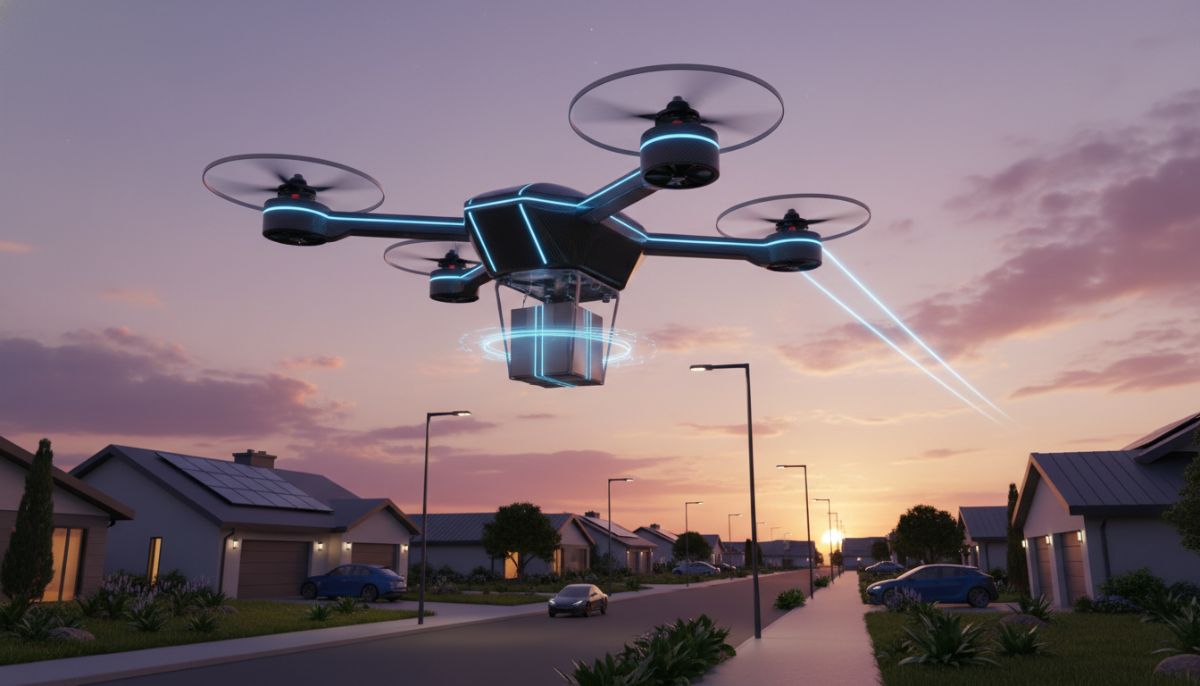
When a drone operates autonomously, the potential points of failure shift from human error to systemic vulnerabilities. A sudden software glitch, a loss of GPS signal, sensor degradation, or unexpected micro-weather events can cause a multi-rotor vehicle to crash in a densely populated urban area. Consequently, determining liability becomes highly complex, involving drone manufacturers, software developers, fleet operators, and third-party maintenance providers. This shift is precisely why dedicated autonomous drone delivery liability insurance has emerged as a specialized sector within the insurance industry.
Key Coverage Components of Autonomous Drone Delivery Liability Insurance
Standard commercial general liability (CGL) policies typically exclude aviation-related risks, and standard aviation insurance policies are often ill-equipped to handle the nuances of autonomous software-driven operations. Comprehensive autonomous drone delivery liability insurance must bridge these gaps through several specialized coverage components:
1. Third-Party Bodily Injury and Property Damage
This is the bedrock of any liability policy. If an autonomous drone suffers a critical system failure and falls from the sky, the physical damage it can inflict on people and property is substantial. This coverage protects the drone operator against lawsuits and financial claims resulting from physical injuries to bystanders or damage to homes, vehicles, and public infrastructure.
2. Product and Software Liability
Because autonomous drones rely on complex software suites to navigate obstacles, avoid collisions, and make real-time decisions, software failure is a primary risk. If a coding error or a faulty sensor integration causes a collision, product and software liability coverage helps determine and cover the costs associated with manufacturer or developer negligence.
3. Cyber Liability and Data Security
Autonomous drones are essentially flying computers connected to cloud networks. This makes them vulnerable to cyber-attacks, including GPS spoofing, signal jamming, and unauthorized control hijacking (hijacking of the drone’s command and control link). Cyber liability insurance protects operators against losses resulting from data breaches, ransomware, and the unauthorized hijacking of autonomous fleets.
4. Privacy Liability
Equipped with high-definition cameras, LiDAR, and various telemetry sensors to navigate urban environments, autonomous delivery drones constantly record spatial data. This raises significant privacy concerns. If a drone is accused of illegally recording private property or violating individual privacy rights, privacy liability coverage protects the operator against associated litigation.
Traditional Aviation Insurance vs. Autonomous Drone Liability Insurance
To fully appreciate the necessity of specialized coverage, it is helpful to contrast traditional aviation insurance with the emerging paradigms of autonomous drone coverage.
| Feature | Traditional Aviation Insurance | Autonomous Drone Delivery Liability Insurance |
|---|---|---|
| Primary Risk Driver | Human pilot error, mechanical failure | Software glitches, cyber-attacks, sensor failure, systemic fleet-wide issues |
| Operational Scale | One pilot to one aircraft | One operator supervising multiple autonomous drones (1:N ratio) |
| Underwriting Data | Decades of historical pilot flight hours and airframe safety data | Real-time telematics, algorithmic safety records, simulated flight data |
| Regulatory Framework | Highly established (FAA Part 121 / Part 135) | Evolving rapidly (FAA Part 107, Part 135, BVLOS waivers, EASA regulations) |
| Primary Liability Target | Pilot, airline operator, or aircraft manufacturer | Software developers, system integrators, fleet operators |
The Regulatory Landscape: Driving the Need for Insurance
Globally, aviation authorities such as the Federal Aviation Administration (FAA) in the United States and the European Union Aviation Safety Agency (EASA) are establishing strict frameworks for commercial drone operations. To obtain the necessary certifications for commercial BVLOS deliveries—such as the FAA’s Part 135 Air Carrier Certificate—operators must demonstrate financial responsibility.
Proof of adequate autonomous drone delivery liability insurance is increasingly becoming a mandatory prerequisite for obtaining regulatory approval to operate. Regulators want to ensure that if an autonomous drone crashes into a commercial structure or injures a civilian, there is a viable financial mechanism in place to compensate the affected parties.
[IMAGE_PROMPT: An insurance actuary analyzing complex risk data on holographic displays showing drone flight paths, modern corporate office environment, professional atmosphere]
Actuarial Challenges in Underwriting Autonomous Risks
One of the greatest challenges facing the drone insurance market is the lack of historical actuarial data. Traditional insurers calculate premiums based on decades of flight history. For autonomous drones, that deep pool of historical data simply does not exist.
Insurers are adapting by leveraging advanced technologies to assess risk:
- Telematics and Real-Time Data: Insurers are beginning to analyze real-time telemetry data directly from drone flights to adjust premiums dynamically.
- Simulation Testing: Virtual simulations are used to assess how autonomous navigation systems react to extreme weather conditions or sensor failures.
- Redundancy Assessments: Underwriters scrutinize the hardware redundancies (e.g., dual batteries, backup GPS, emergency parachutes) integrated into the drone’s design.
“As the skies become crowded with autonomous delivery fleets, the transition from human-managed risk to algorithmic liability represents the single largest shift in aviation insurance history. Companies that fail to secure comprehensive, tailored policies risk catastrophic exposure to both physical and digital liabilities.”
Best Practices for Operators to Lower Insurance Premiums
Because autonomous drone delivery liability insurance is a highly specialized and emerging market, premium costs can vary significantly. Fleet operators can take proactive steps to minimize their risk profiles and secure more favorable insurance rates:
Implement Redundant Fail-Safe Systems
Insurers look favorably upon hardware and software redundancies. Equipping delivery drones with autonomous emergency parachute systems, redundant flight controllers, and dual-battery systems significantly reduces the likelihood of a catastrophic ground impact.
Establish Rigorous Maintenance Protocols
Autonomous systems require meticulous physical and digital upkeep. Maintaining detailed, auditable records of routine sensor calibration, software updates, structural inspections, and battery health checks demonstrates to underwriters that the operator is committed to preventing mechanical and software failures.
Utilize Geofencing and Dynamic Path Planning
Operating drones away from high-risk zones—such as airports, crowded public squares, and high-voltage power lines—minimizes the potential severity of an accident. Utilizing advanced geofencing software and dynamic routing systems that steer drones away from congested areas will positively influence risk assessments.
[IMAGE_PROMPT: A maintenance technician inspecting the propellers and sensors of an autonomous delivery drone in a high-tech warehouse hangar, close-up shot, crisp focus]
Conclusion: Securing the Future of Last-Mile Logistics
Autonomous drone delivery is no longer a concept confined to science fiction; it is an active, rapidly expanding component of global commerce. However, the path to fully scaling these operations depends on robust risk mitigation.
As the regulatory environment matures and autonomous technology continues to evolve, having specialized autonomous drone delivery liability insurance is a strategic necessity. By partnering with forward-thinking insurers who understand the unique dynamics of autonomous aviation, drone logistics companies can protect their assets, safeguard the public, and confidently take to the skies, knowing their business is built on a foundation of comprehensive financial security.